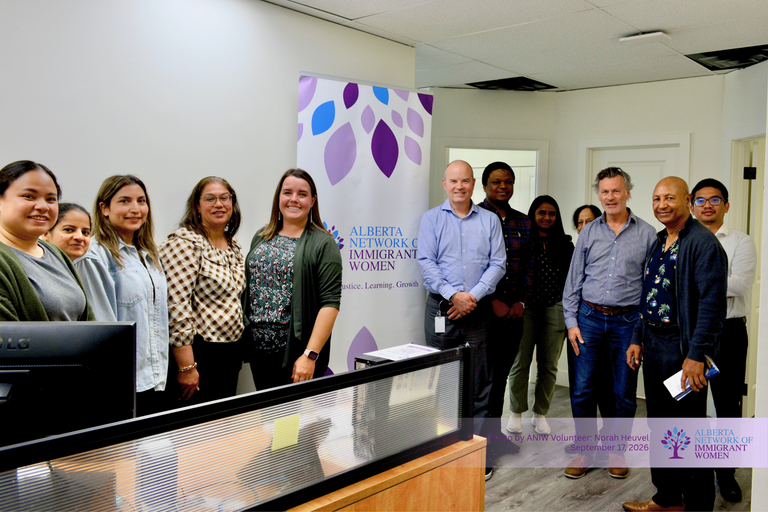
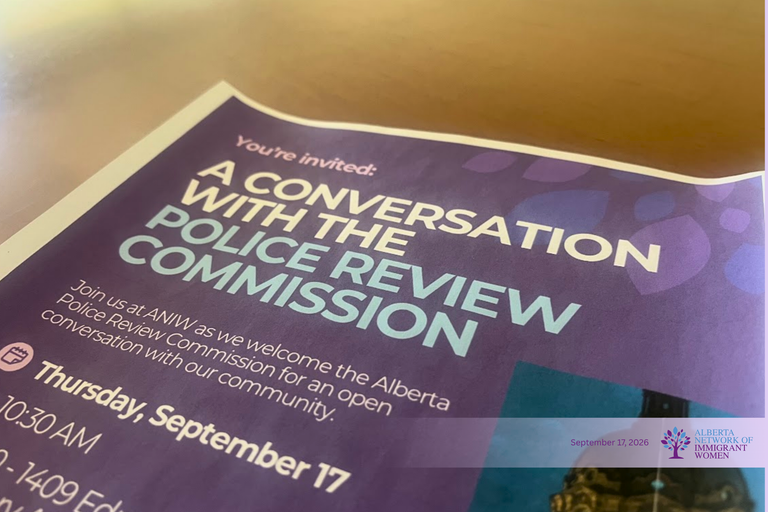
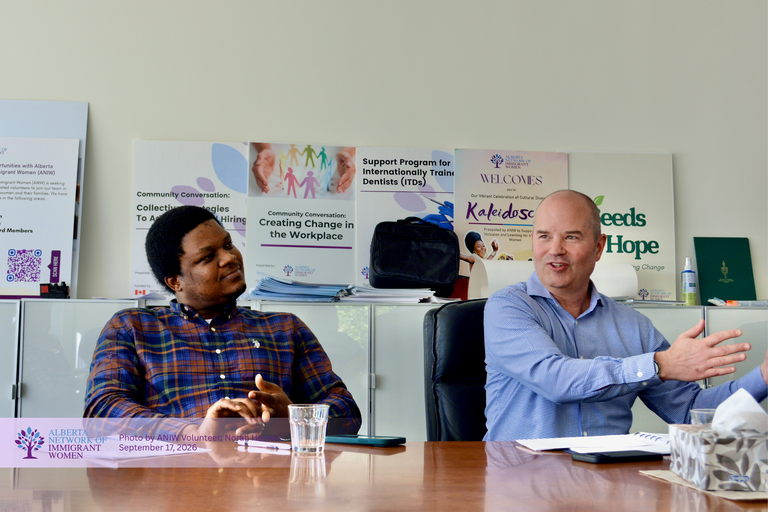
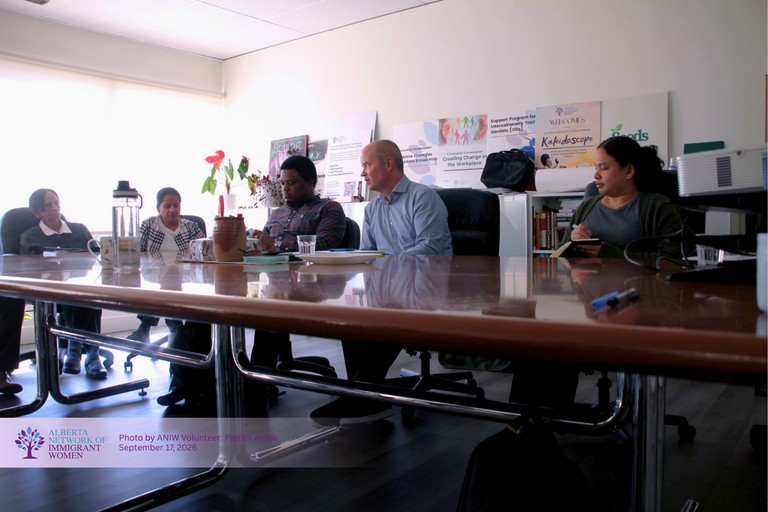
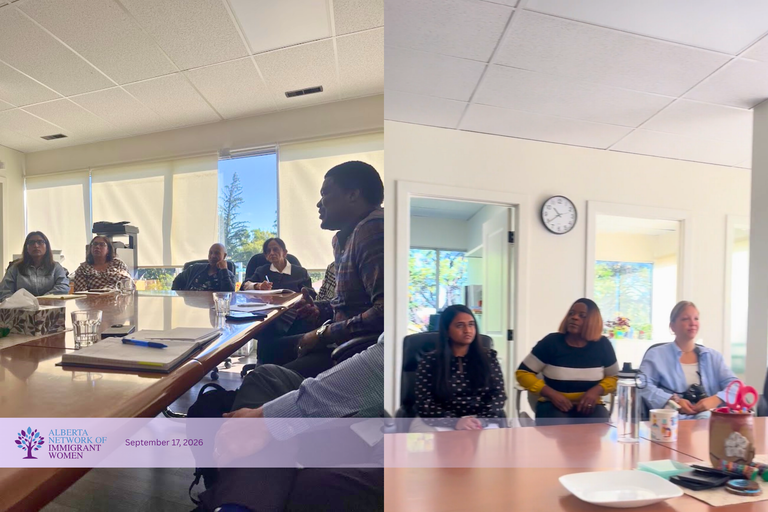
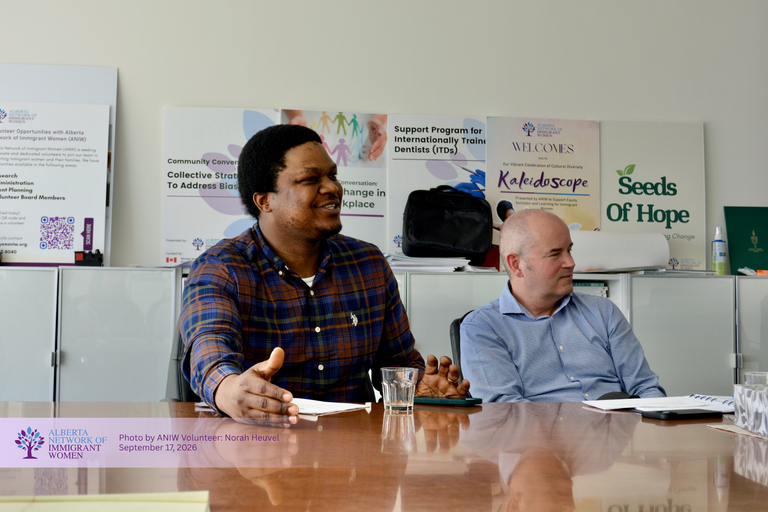
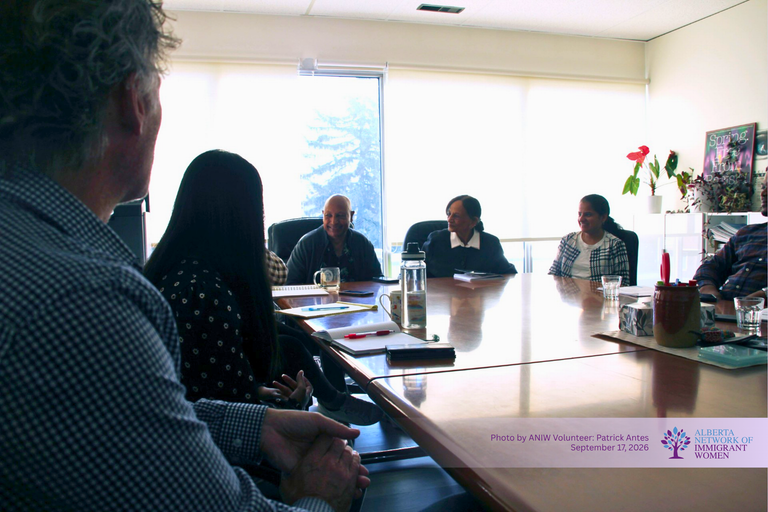
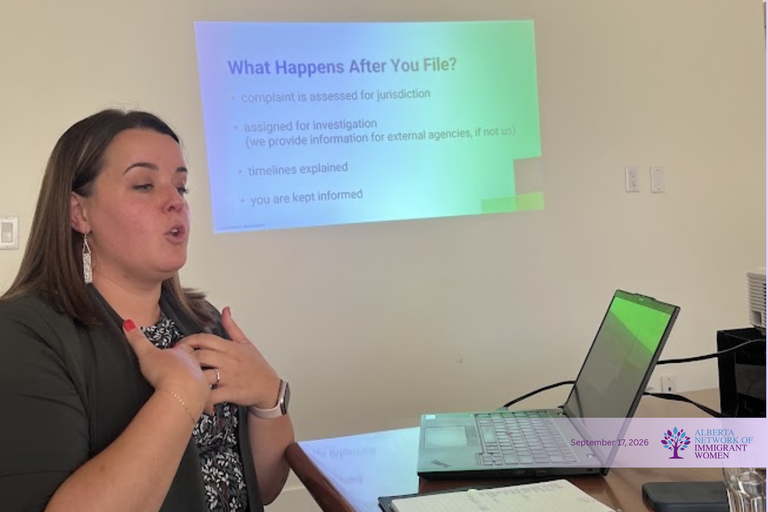
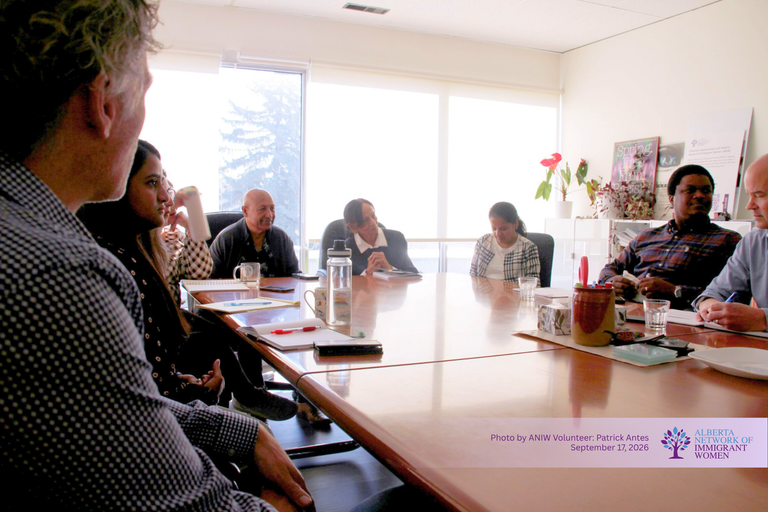
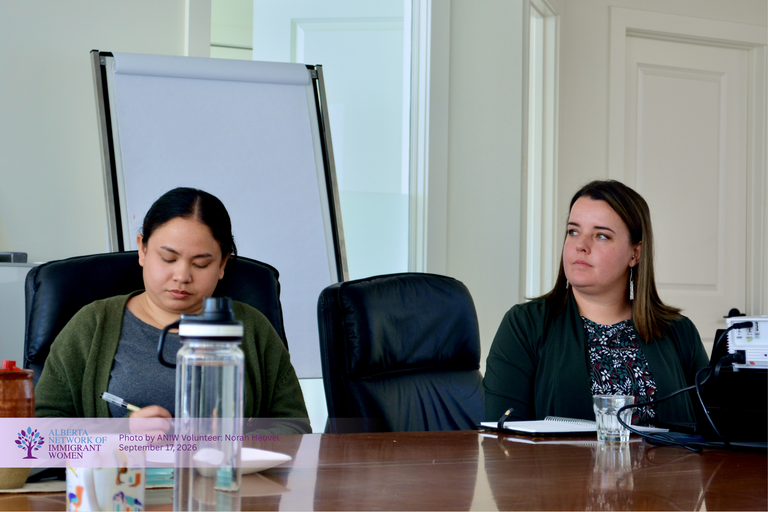
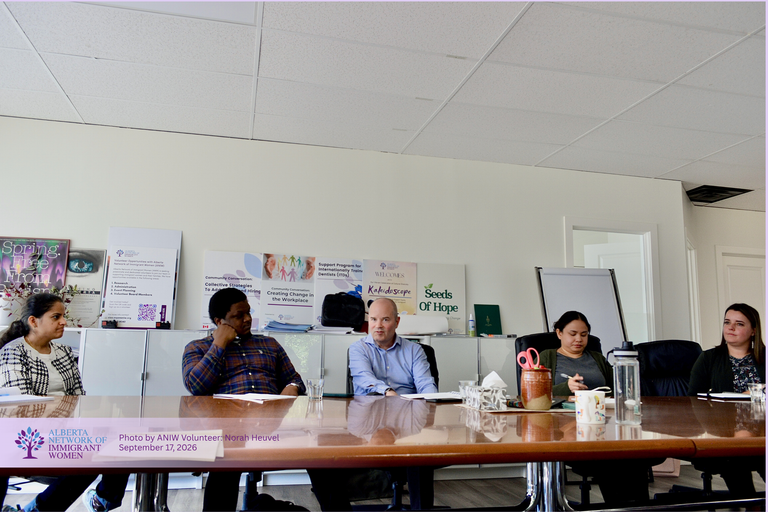
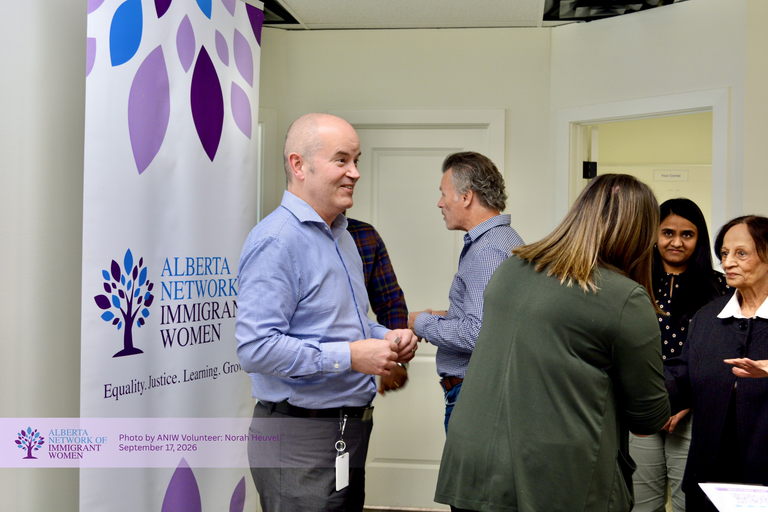
On September 17, we welcomed the Alberta Police Review Commission (PRC) to ANIW for an open conversation with our community. Thank you to Dana Middleton (Indigenous Liaison), Ojemire (Benjamin) Daniel (Community and Commission Liaison), and Jason van Rassel (Senior Manager, Community Connections) for joining us, and to everyone who came out.
Here is a recap for those who couldn’t make it.
Why independent oversight matters
The PRC was established on December 1, 2025. It brings serious incident investigations (ASIRT) and code of conduct complaints together under one independent agency, investigating potential criminal wrongdoing and non-criminal misconduct.
The idea is simple: public trust is essential to effective policing, and accountability strengthens institutions. People should feel confident that the process is fair and transparent, and confident enough to come forward if they have a negative experience with police.
The PRC’s staff are civilians. They don’t wear uniforms, and they are not police. They also don’t provide legal advice, can’t overturn court decisions, and are not an emergency service. As they put it, “We belong to everybody, but we don’t belong to anybody.”
Filing a complaint
A complaint includes the complainant’s name and contact info, a description of the incident, the date, the officers involved, and the police service. If the complainant doesn’t have every detail, such as an officer’s name, they can still file. The PRC emphasized that missing information should not be a barrier.
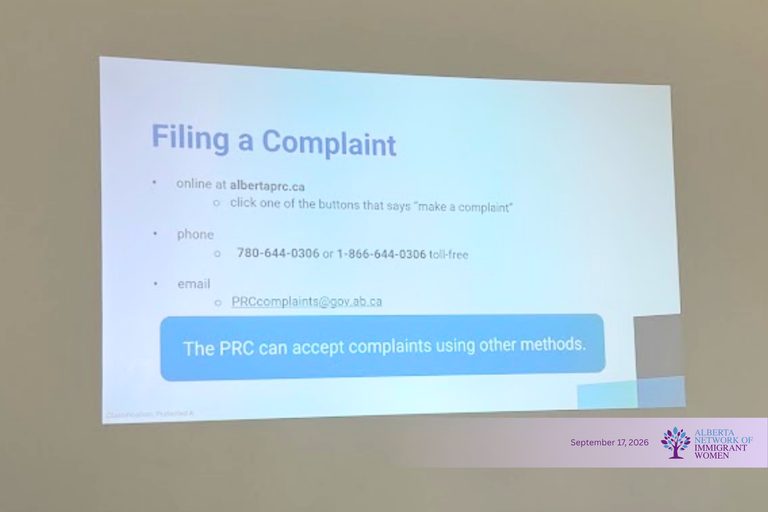
Complaints can be filed online, by phone, or by email, and the PRC can accept other methods to accommodate the complainant. Multilingual staff can help when able, professional interpreters are available at any point, and a support person can interpret during conversations. Brochures are being translated into more languages.
PRC staff also receive trauma-informed training, along with training on the history of policing in Canada and the history of harmful policies affecting Indigenous peoples and newcomers.
Building trust in the process
The PRC is working to build trust in the process. For the most serious complaints (Levels 1 to 3), the PRC is required to make reasonable efforts to complete investigations within 180 days, and the clock starts once the complaint has been categorized. Complainants are kept informed along the way. For transparency, the PRC also publishes quarterly reports on its website, including how many files went past 180 days and why.
Complaints can have two possible outcomes: substantiated or unsubstantiated. If a complaint is unsubstantiated, there wasn’t enough evidence to go on, despite efforts at triangulation and investigation. If it is substantiated, it can be resolved through alternative dispute resolution (ADR) or a disciplinary hearing. ADR is a voluntary process, done with consent, where the complainant and officer work toward an agreed outcome. Depending on the complaint, that can range from the officer acknowledging the incident to mediation or a restorative dialogue.
The Q&A that followed was insightful, with an important conversation about recognizing lived experiences and how developing training and data can support the PRC’s work over time.
Learn more
Processes can change, so visit AlbertaPRC.ca for the most current information, and share this with someone who might need it.