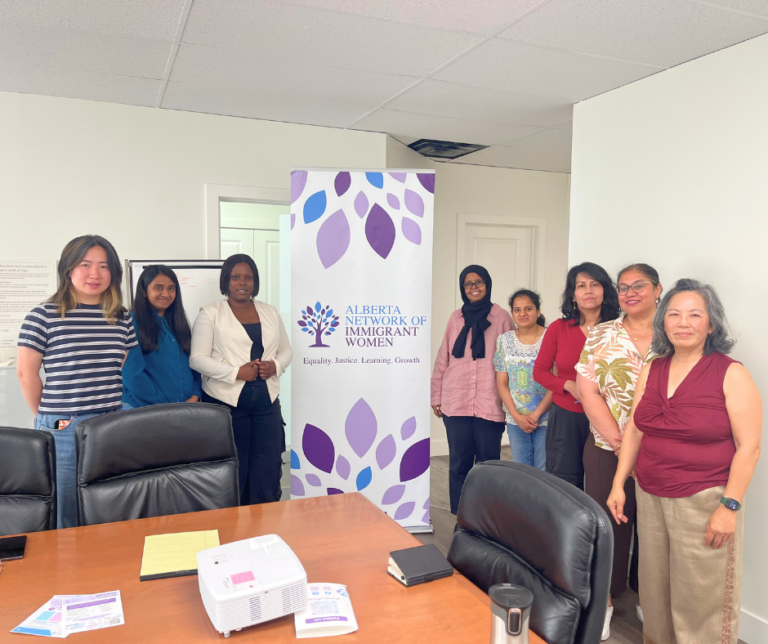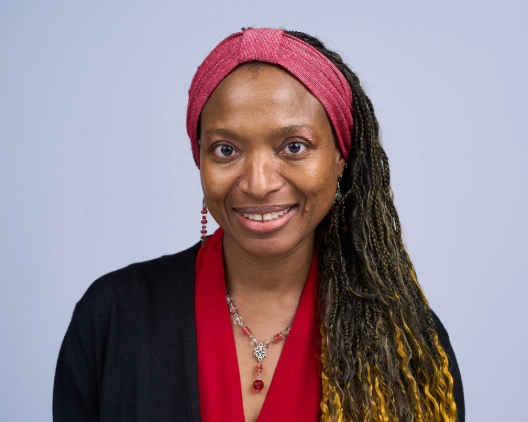
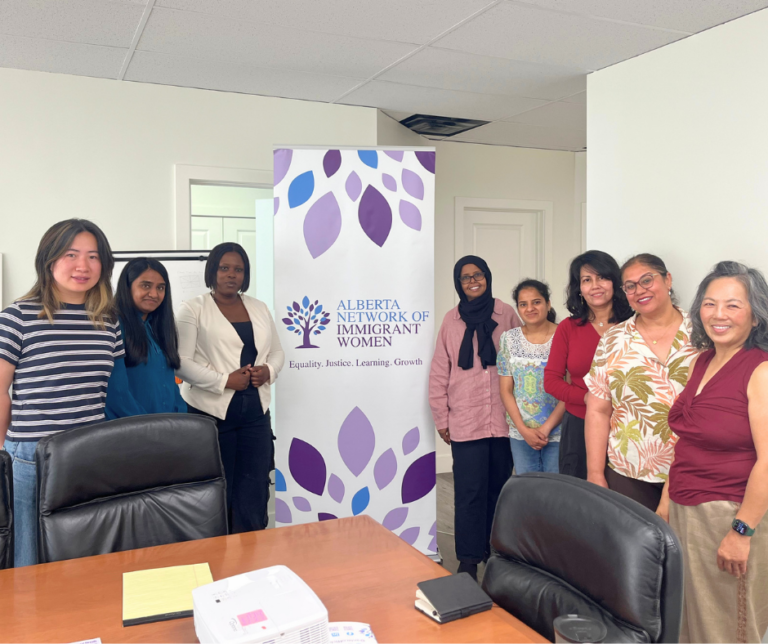
On Monday, July 20, the Alberta Network of Immigrant Women (ANIW) welcomed Toyin Oladele, MBA, to lead a morning workshop for our community: Entrepreneurship Lessons for Sewing Aspirants.
Whether participants had years of sewing experience or none at all, the session was built around one simple idea: turning a skill into a business starts with understanding yourself first.
Here are some of the biggest takeaways from the morning:
1. Your Unfair Advantage Is Your Superpower
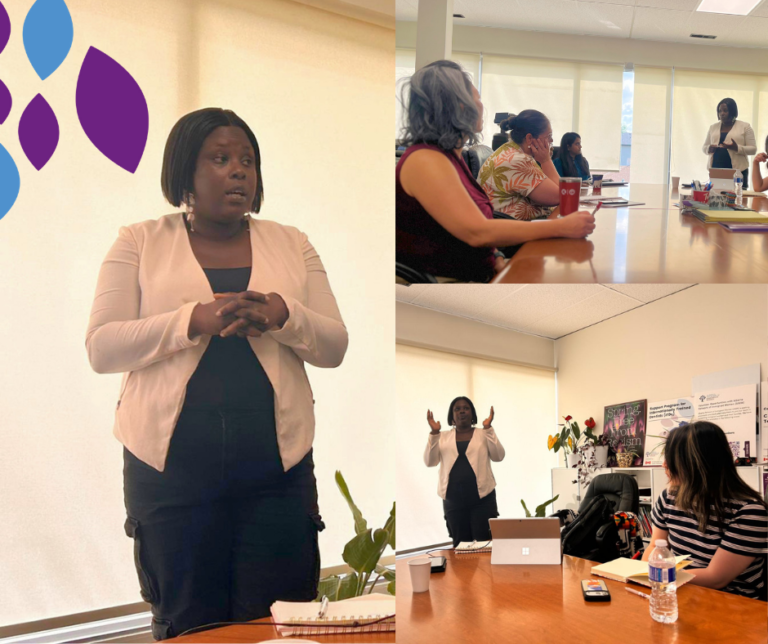
Toyin opened the session by introducing a concept she called your “unfair advantage.” As she put it, everybody has something they are good at, and often, that strength comes from something deeply personal.
“Study the patterns of your life. How you do things. Be intentional,” Toyin encouraged participants. Your story doesn’t have to be a difficult one to be powerful. It simply has to be yours.
She reminded the room that using your unfair advantage isn’t about dwelling on hardship. It’s about what you’ve lived through, learned, or overcome, and how that shapes the way you show up and work today. As Toyin explained, life is unfair, but the real question is: how can you turn that into an advantage? Focusing on disadvantages or bitterness only holds you back. The goal is to heal from your story and let it fuel you forward.
To help find it, Toyin invited participants to map out their own lives, decade by decade, and notice the patterns, strengths, and stories along the way. That process of reflection, she explained, is where an unfair advantage is discovered. And as your story continues to unfold, there will only be more experiences to draw from and share.
2. Sewing is a Skill. Business is about Solving a Problem.
One of the clearest messages of the day was this: anyone can learn to sew, but sewing on its own isn’t a business. A business exists to solve a problem for someone else.
That means identifying what makes someone choose you over a competitor. Toyin was direct about this: people usually buy trust, not just a product. The businesses that succeed are the ones that build a genuine connection with their customers, whether that’s through the story behind their work, how they make people feel, or a solution only they can offer.
3. Branding Starts with Owning Your Story
Toyin encouraged participants to prioritize their business everywhere they go, to be known, as she said, as “the lady who sews.” Branding isn’t about copying what works for someone else. It’s about bringing your original story to the table.
“There isn’t anyone like you. Own it,” she told the group. Every outfit, every product, every service carries a piece of the person who made it. That authenticity is something no competitor can replicate.
She encouraged participants to push past imposter syndrome and get their work out into the world, even before it feels perfect. Take pictures. Visit public places like libraries. Use social media and platforms like Facebook Marketplace. Word of mouth, community events, and local boards or churches are all valuable, low-cost ways to build visibility.
4. Don't Underprice Yourself
When it came to pricing, Toyin didn’t hold back. Underpricing doesn’t solve problems, it creates them. She spoke to the psychology behind pricing, noting that in many customers’ minds, a higher price often signals higher quality.
She also encouraged participants to think about the value they provide, not just the cost of materials and time, but the service, care, and craftsmanship behind it. Knowing your customer matters too. A student customer might have a smaller budget but leave more room for creativity, while a customer in a higher-end neighborhood may be willing to pay more for a premium product but with specific demands.
5. Use Your Network and Build Relationships
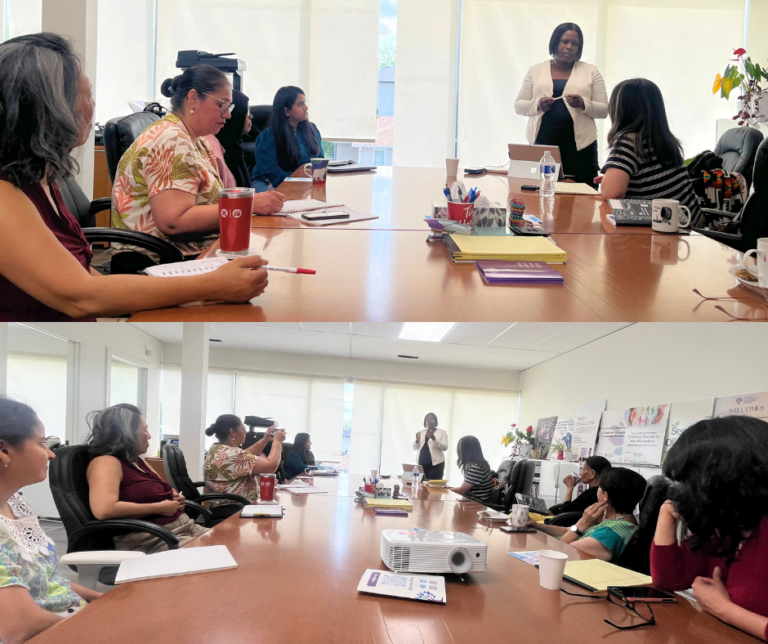
For many aspiring entrepreneurs, the hardest part isn’t the skill; it’s getting started. Toyin’s advice was refreshingly practical for running a small business: start with your network. Use what you already have access to. Getting family support matters. If you can’t hire help yet, ask for support from family or your community and be surprised by what they can offer in return.
Clear communication with customers matters too, especially around delays or concerns. Keeping promises, leading with kindness, and offering something unique (like having a space where kids can also tag along) go a long way in building the kind of trust that keeps customers coming back.
Keep the Momentum Going
A huge thank you to Toyin Oladele for sharing her time, insight, and energy with our community, and to everyone who came out to learn, connect, and take the next step toward their own entrepreneurial journey.
If this session sparked something in you, know that ANIW is here to support you every step of the way. Keep an eye out for more workshops, programs, and community events designed to help you grow, connect, and thrive.
See our upcoming events at: aniw.org/events.