Introduction
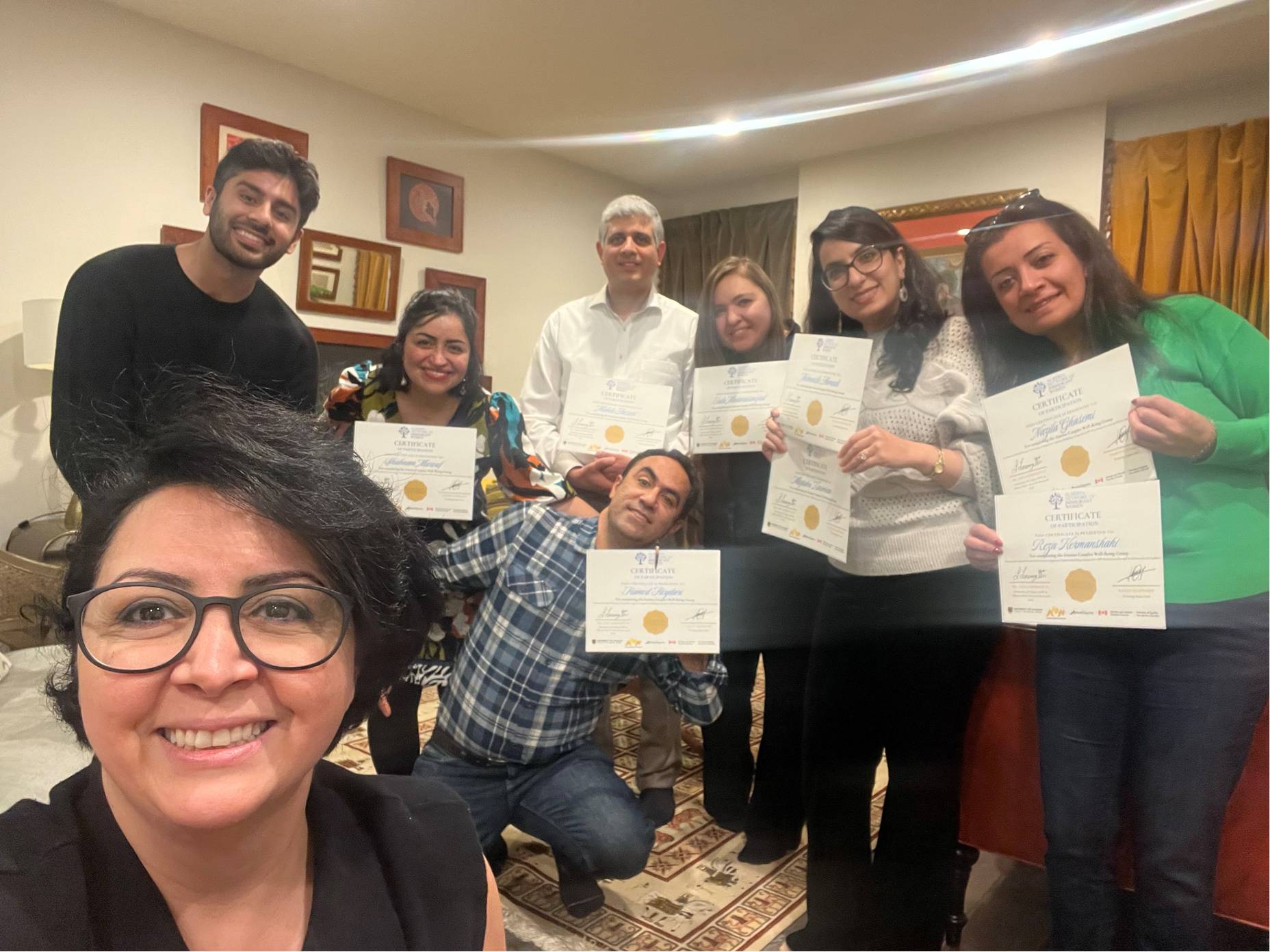
Join us for facilitator training focused on supporting women’s well-being
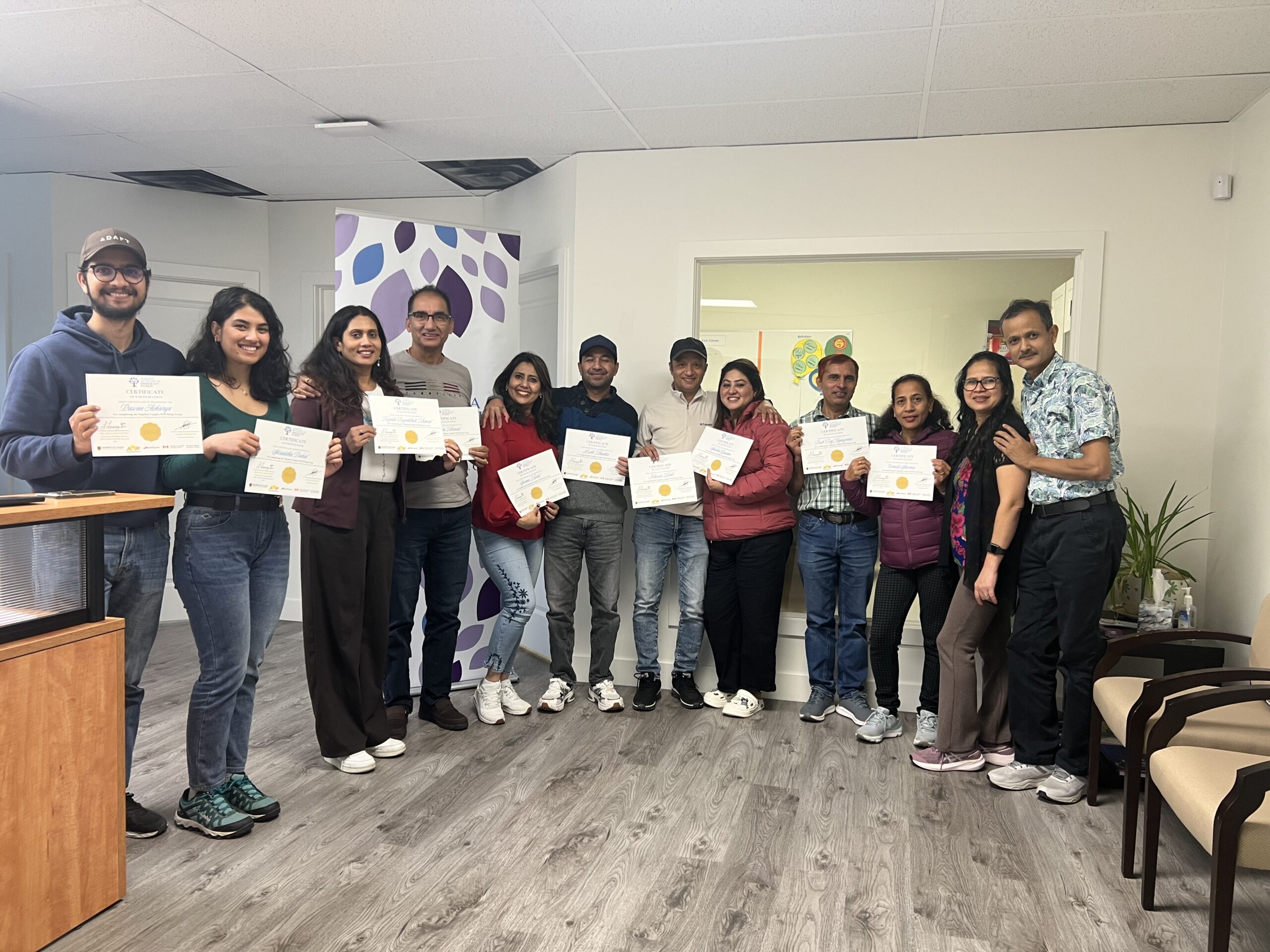
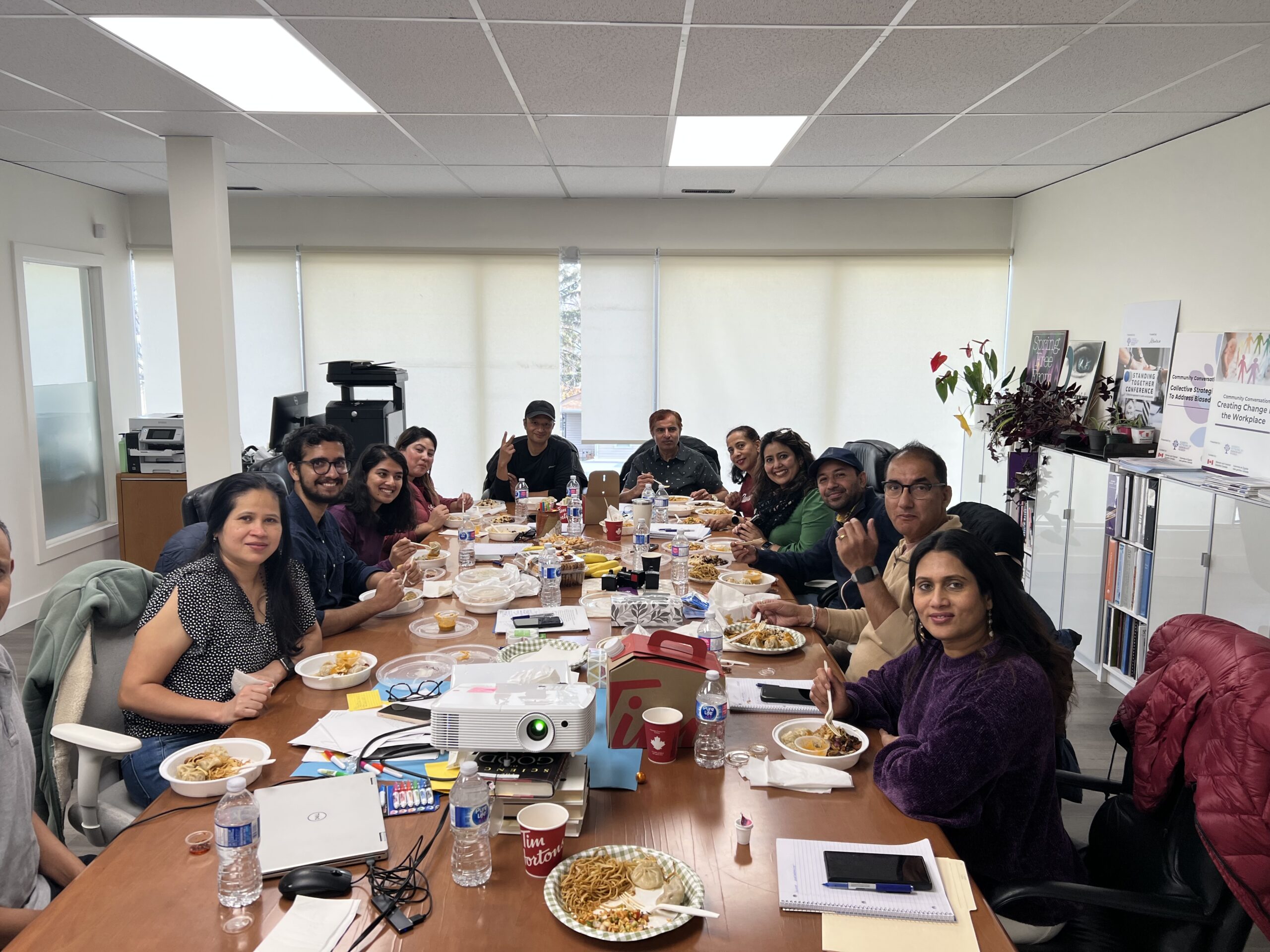
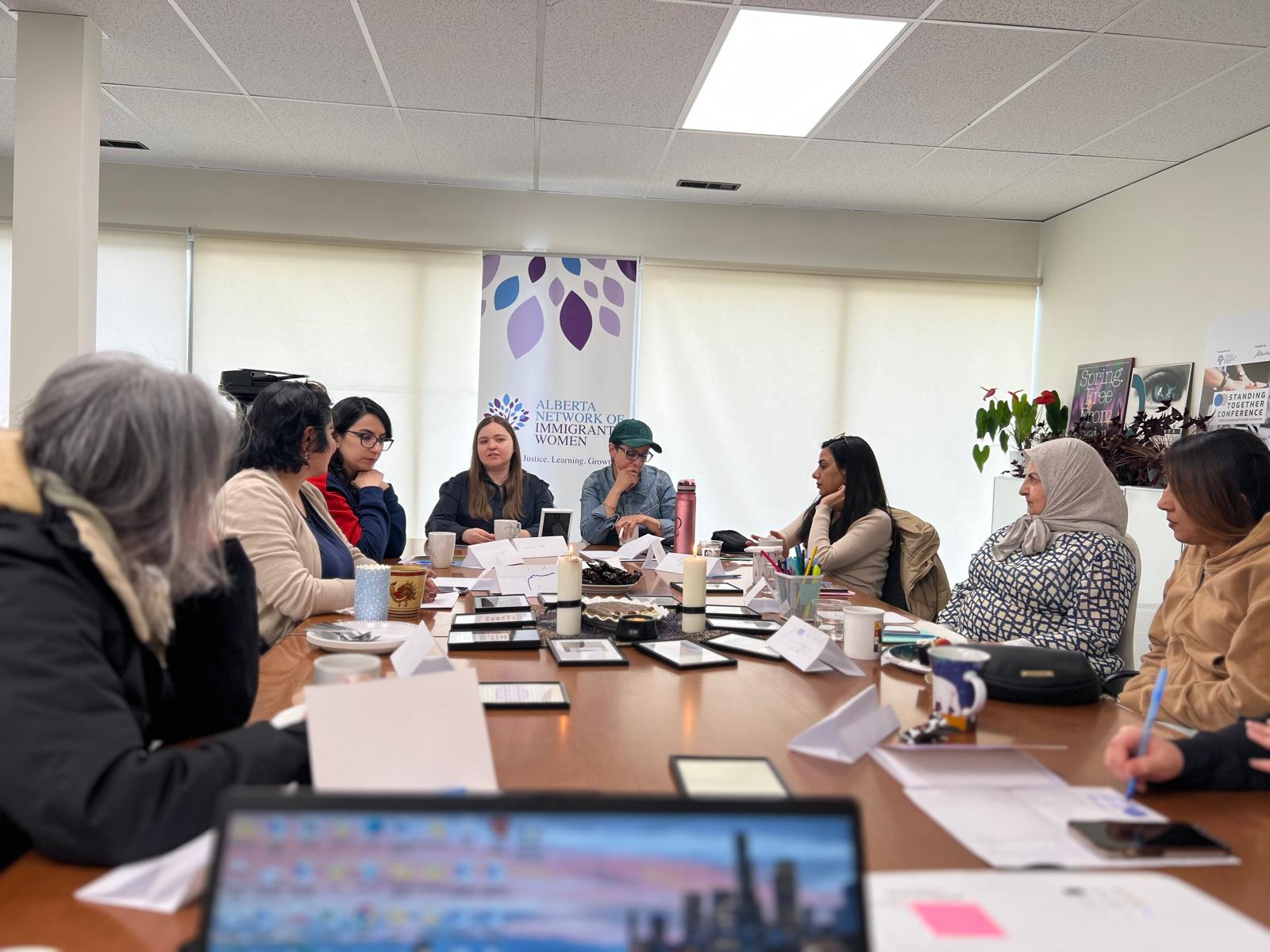
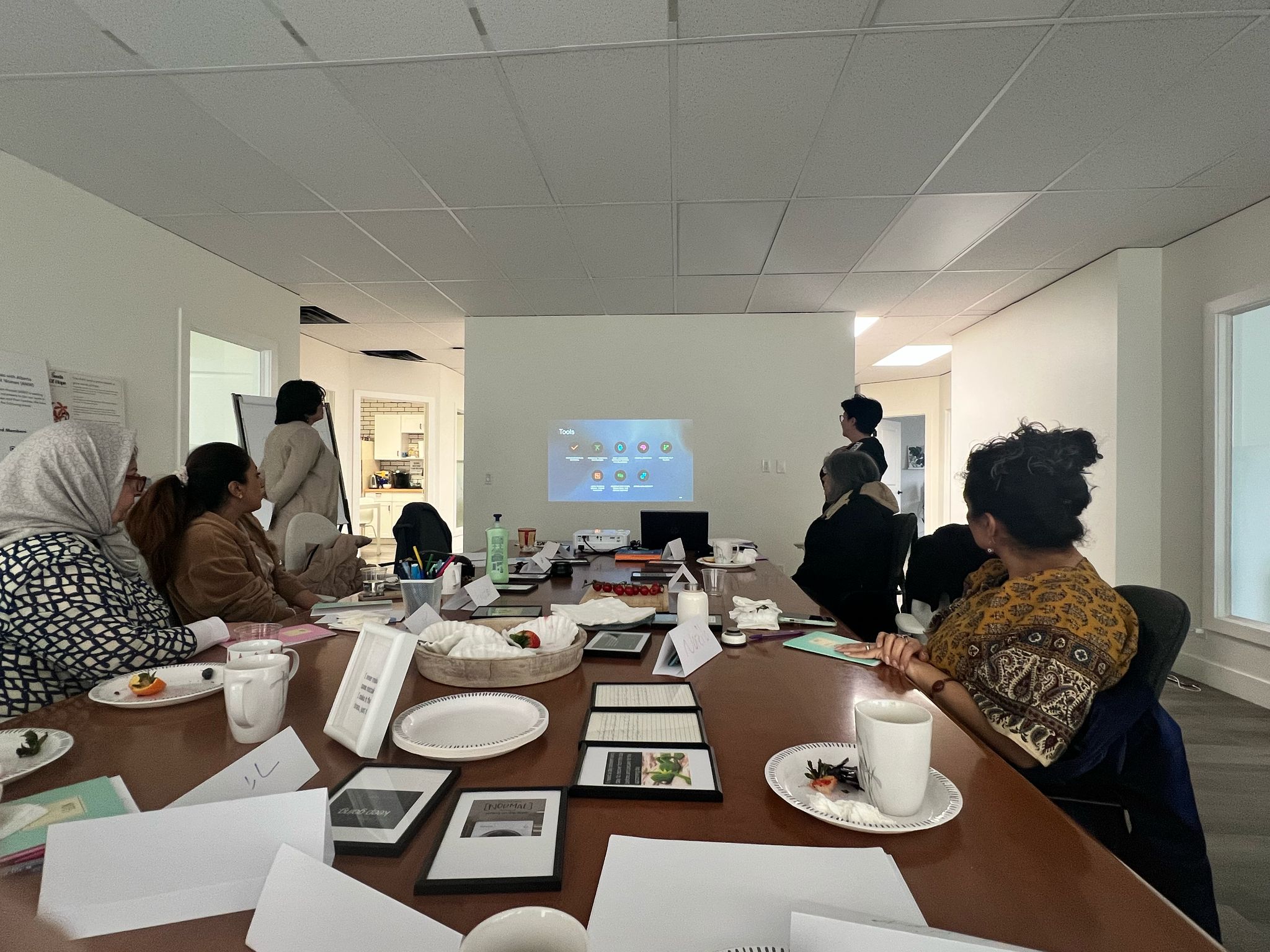
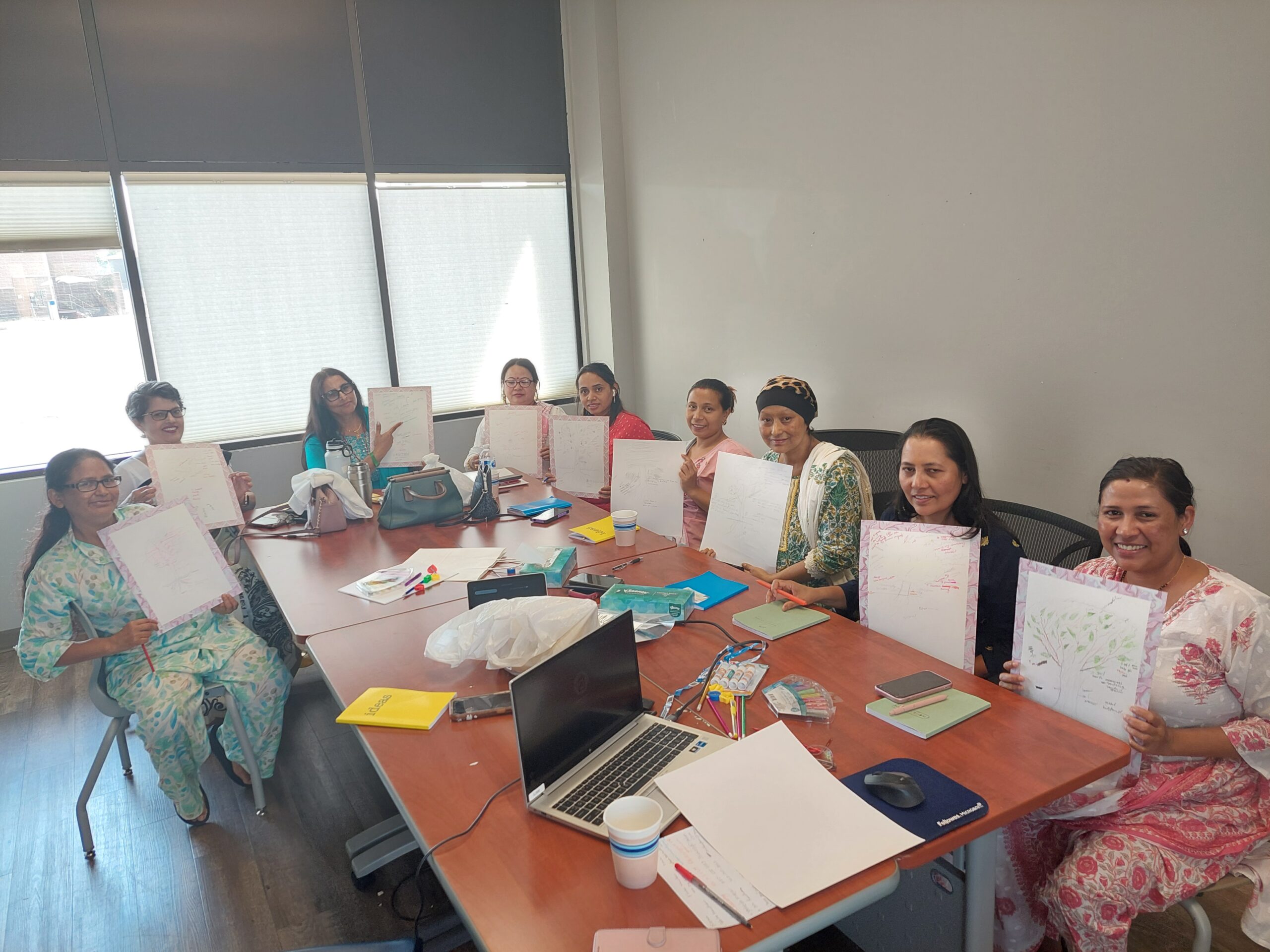
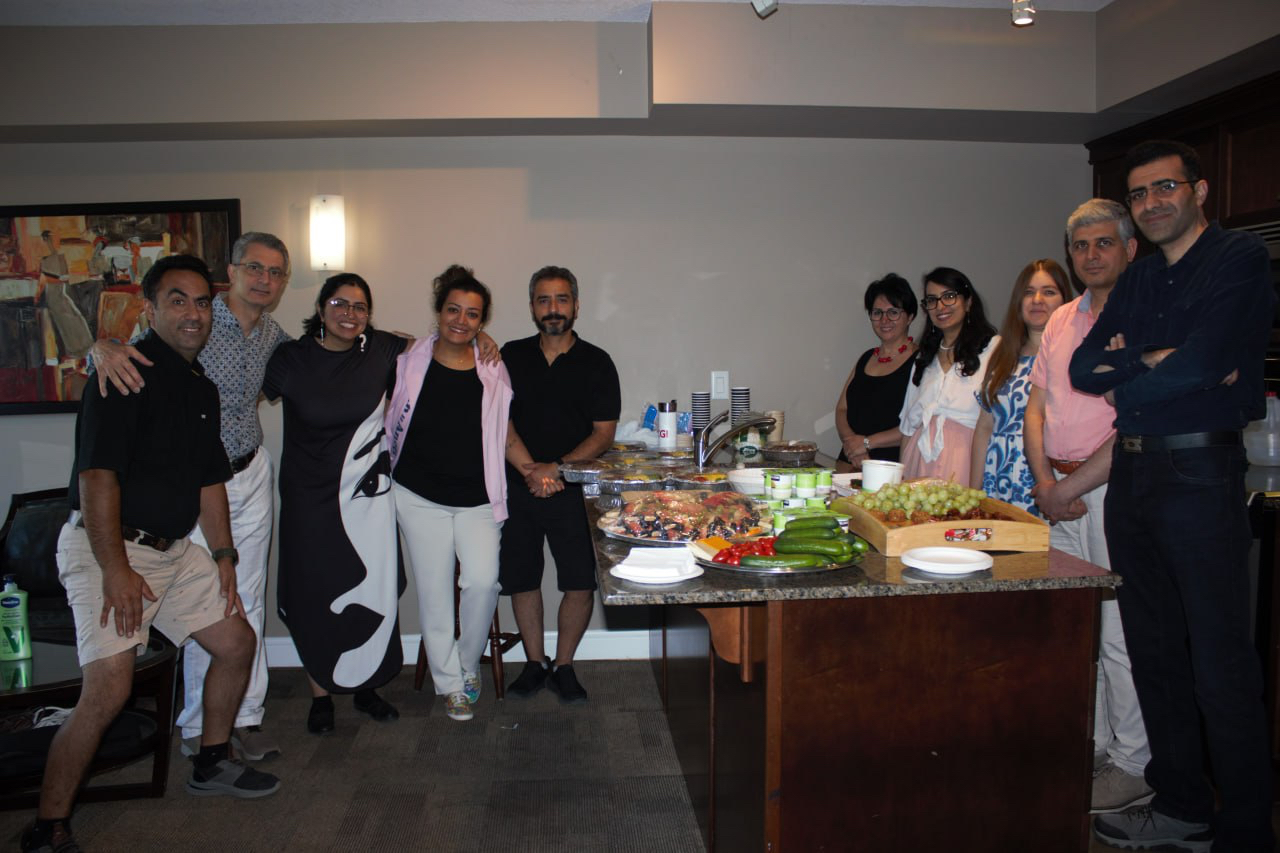
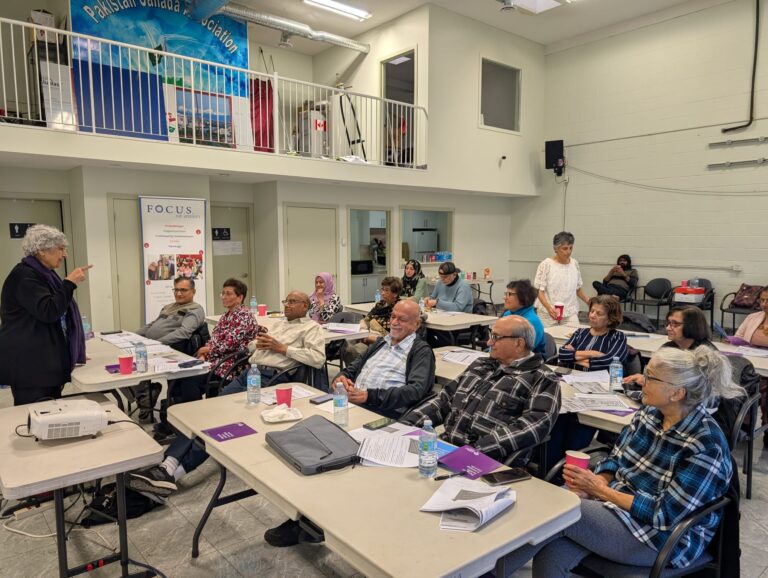
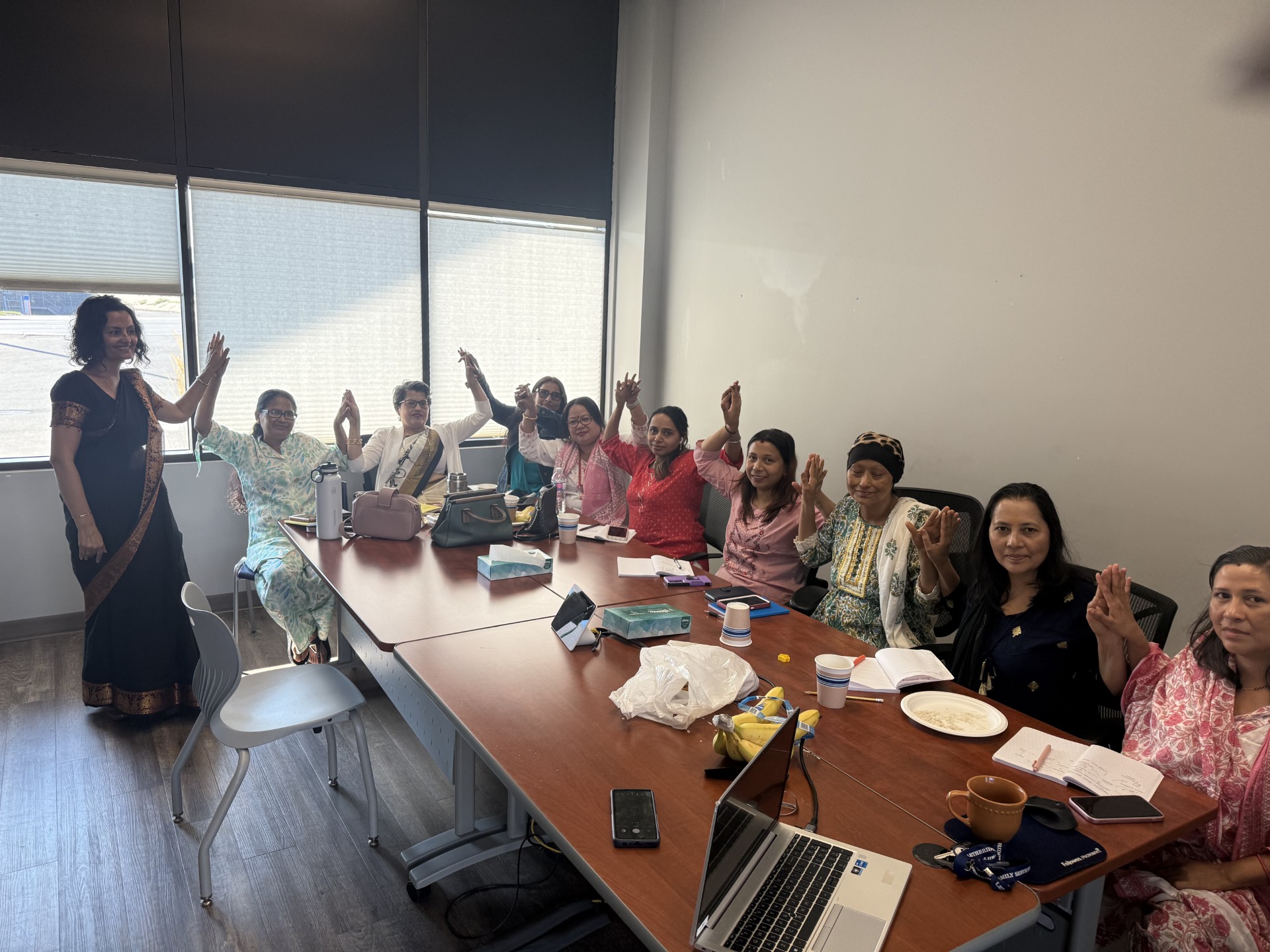
The Well-Being Groups were developed in Calgary’s ethnocultural communities by focusing on the importance of peer and community support to increase personal wellness and healthy relationships. Through healthy conversations and different activities, participants will have the opportunity to explore and learn more about themselves. Participants will learn how to better cope with stress, self-care, healthy relationships and how to manage conflict and communication. They will learn about their emotions, self-talk, values, as well as reflect on family of origin, past experiences, and patterns of behaviour. These groups provide a space for people to learn from one another and potentially become mentors in their family and in their community.
We serve participants from Bhutan, Ethiopia, Iran, Nepal, and the Philippines under three categories: women, men, and couples.
Contact
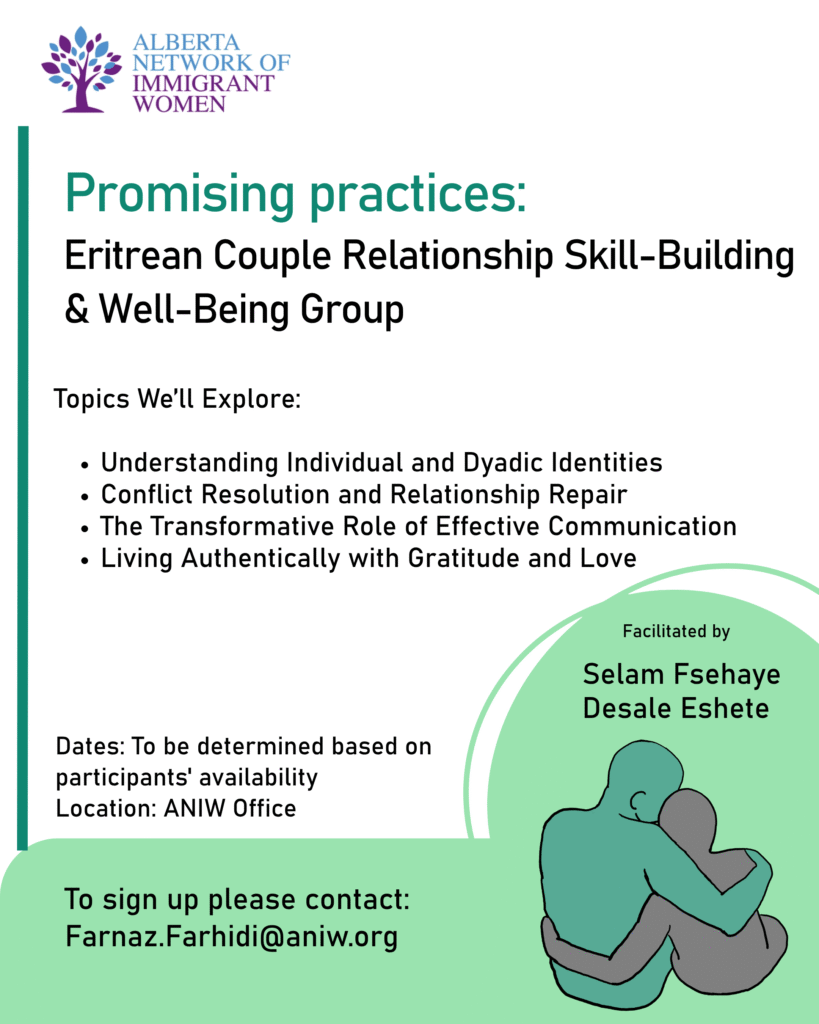
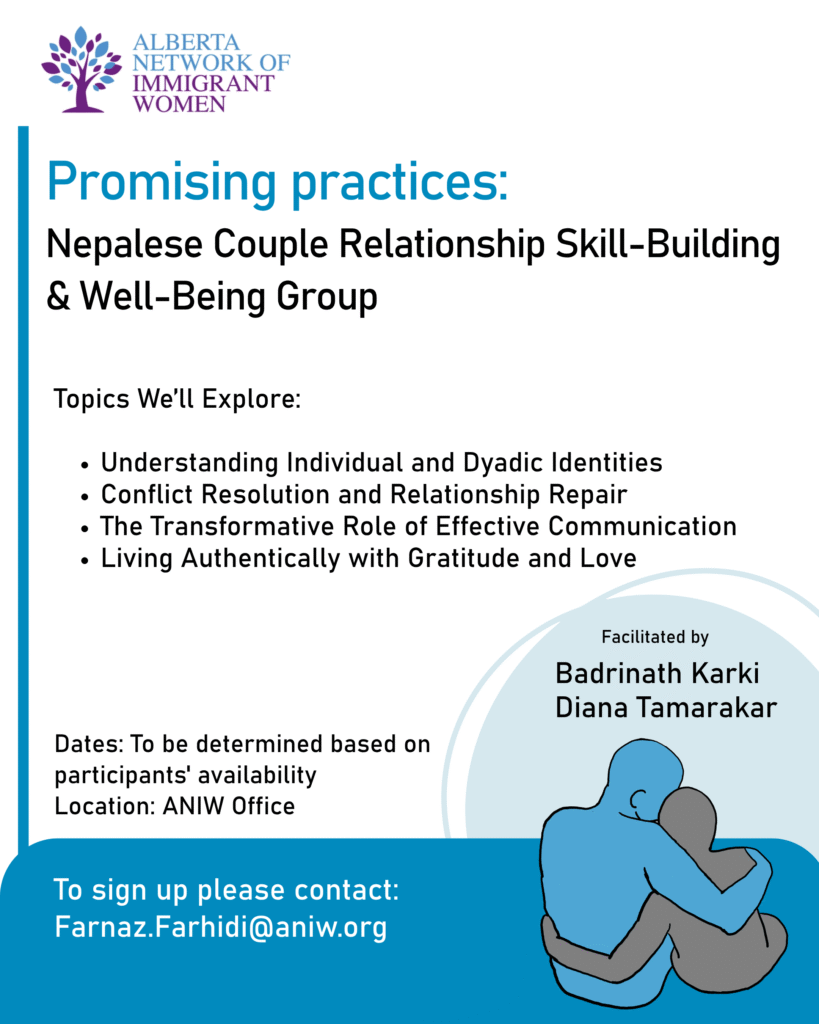
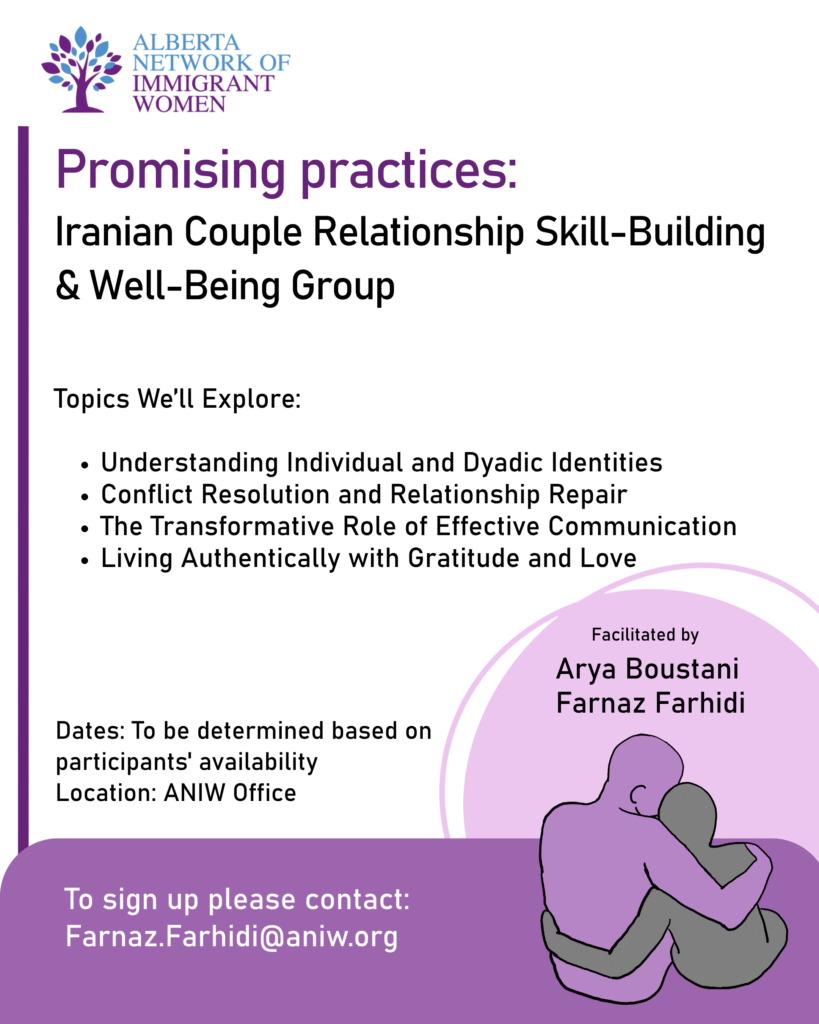
Promising Practices: Community‑Led Well‑Being Groups
These infographics highlight key learnings from ANIW’s community‑based well‑being groups, developed in partnership with ethnocultural communities across Alberta. Grounded in participant feedback and follow‑up research, the infographics share how culturally responsive, language‑specific group spaces support emotional well‑being, healthy relationships, and gender‑based violence prevention.
The featured groups include Bhutanese women, Iranian couples, Intercultural men, and Nepali men. Participants consistently emphasized the value of learning practical tools for emotional regulation, stress management, and communication within culturally familiar and trusted environments. Many described increased confidence in expressing emotions, stronger family relationships, and a desire to share what they learned with their communities.
Together, these infographics reflect ANIW’s commitment to community‑led, strengths‑based approaches that center lived experience, cultural connection, and collective well‑being. They offer promising practices for prevention, healing, and relationship‑building across diverse communities.